
When: Annually, November 11.
On November 11 it’s Saint Martin’s Day. Although originally a Catholic holiday, this name day of Martin of Tours is also celebrated by others. This mainly involves the festivities that take place in the evening.
Saint Martin’s Day, also known as St. Martin’s Feast, is celebrated on November 11th in honor of Saint Martin of Tours. This day is widely observed in various parts of Europe and has its unique traditions and customs. In this comprehensive article, we will delve into the rich history of Saint Martin’s Day, its significance, and the various ways it is celebrated in the Netherlands, the rest of Europe, and around the world.
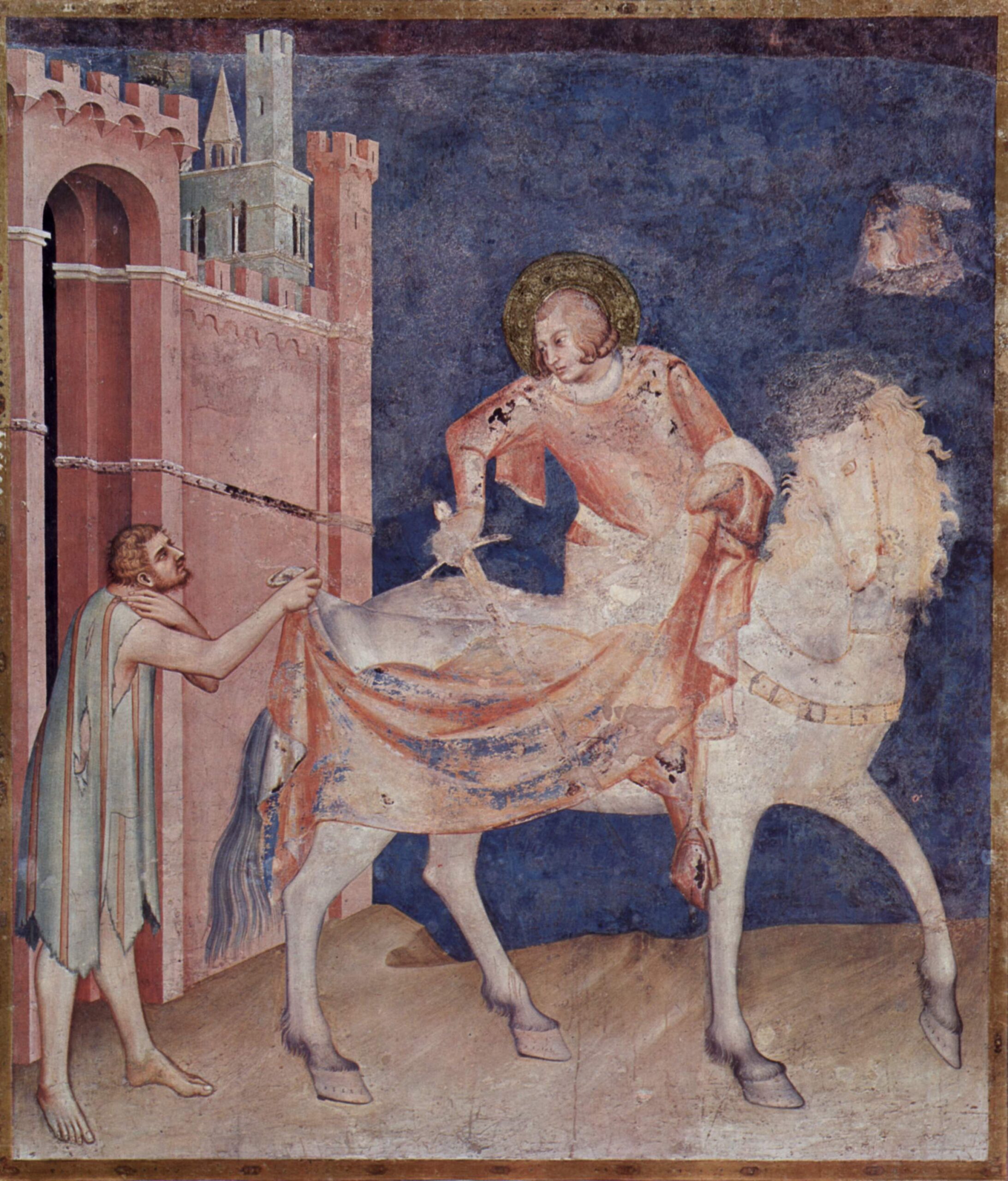
Source: Wikimedia Commons.
The history of Saint Martin's Day
Origins of Saint Martin of Tours
Saint Martin of Tours, born in 316 AD in Pannonia (modern-day Hungary), is one of the most well-known saints in Western Christianity. Martin was the son of a Roman officer and was expected to follow in his father’s footsteps by joining the Roman army. However, his deep sense of piety led him to become a Christian at a young age, a decision that shaped his future.
Early life and military service
Martin was conscripted into the Roman army at the age of fifteen, following the mandate for the sons of veterans to serve. Despite his military obligations, Martin’s faith grew stronger, and he sought to live a life that reflected Christian values. His experiences as a soldier provided him with a unique perspective on compassion and humility.
The Legend of Saint Martin and the Beggar
The most famous legend associated with Saint Martin is his encounter with a beggar during a harsh winter. According to the story, Martin, then a soldier, saw a nearly naked beggar shivering in the cold. Moved by compassion, Martin cut his cloak in half and shared it with the beggar. That night, Martin dreamed of Jesus wearing the half-cloak he had given away, affirming his act of kindness. This event led Martin to leave the army, get baptized, and eventually become a monk and later the Bishop of Tours.
Symbolism of the cloak
The act of sharing his cloak became a powerful symbol of charity and selflessness. The cloak itself, referred to as a “cappa,” became a significant relic, eventually giving rise to the term “chapel” (from the French “chapelle”), originally meaning a place where the cloak was kept.
The Spread of Saint Martin's Cult
Saint Martin’s popularity grew rapidly after his death in 397 AD. His tomb in Tours became a major pilgrimage site, and numerous churches were dedicated to him throughout Europe. Martin was venerated for his piety, humility, and miracles attributed to him. By the Middle Ages, his feast day on November 11th was established and became one of the most significant feast days in the Christian calendar.
Miracles and veneration
Saint Martin was attributed with numerous miracles both during his lifetime and posthumously. Stories of healings, exorcisms, and even raising the dead contributed to his veneration. His reputation as a miracle worker made his shrine in Tours one of the most popular pilgrimage destinations in medieval Europe.
Historical significance of November 11
November 11 marks the end of the agrarian year and the beginning of winter in medieval Europe. It was a time for peasants to finish their fieldwork and prepare for the cold months ahead. This period also coincided with the traditional wine harvest, making it a time of celebration and feasting. Thus, Saint Martin’s Day naturally evolved into a significant cultural and social event, blending religious observances with local customs and agricultural cycles.
The Liturgical Calendar
Saint Martin’s Day’s placement in the liturgical calendar also held significance. It was situated just before the beginning of Advent, a time of fasting and preparation for Christmas. Thus, it provided an opportunity for feasting and celebration before the more solemn period of Advent.
Celebrations in the Netherlands
Traditional Dutch customs
In the Netherlands, Saint Martin’s Day, or Sint Maarten, is celebrated with various customs that reflect both religious and folk traditions. One of the most charming aspects of Dutch celebrations is the children’s lantern processions.
Lantern processions
Children create or purchase colourful lanterns and parade through the streets in the early evening, singing traditional Saint Martin songs. The lanterns symbolize light and kindness, reflecting Martin’s act of sharing his cloak with the beggar. As they walk from house to house, the children receive treats, similar to Halloween trick-or-treating in the United States.
Crafting the lanterns
The process of crafting the lanterns is often a communal activity involving families, schools, and community centers. Children use materials like paper, glue, and sticks to create their lanterns, which can range from simple designs to elaborate works of art. The crafting sessions also serve as an educational opportunity to teach children about the story of Saint Martin and the values of kindness and sharing.
Singing and treats
Songs like “Sinte Sinte Maarten” and “11 November is de dag” are commonly sung by the children during the processions. In return for their singing, they receive candies, fruits, and small gifts from neighbours. This practice fosters a sense of community and reinforces the themes of generosity and sharing associated with Saint Martin.
Regional variations
While the lantern processions are widespread, other regions in the Netherlands have unique ways of celebrating Sint Maarten. In some areas, there are bonfires and fairs, while others hold special church services and community feasts.
Utrecht and surrounding Areas
In the city of Utrecht, which has a significant historical connection to Saint Martin, the celebrations are particularly elaborate. Utrecht’s cathedral is dedicated to Saint Martin, and the city’s coat of arms includes his image. Here, the feast is marked by special religious services, processions, and public events. The Dom Tower, one of the city’s most famous landmarks, is often illuminated in honour of the saint.
Northern provinces
In the northern provinces such as Friesland and Groningen, the tradition of children going door-to-door with lanterns is especially strong. These regions have their unique songs and customs, and the night of November 11th is a lively and much-anticipated event for the young ones.
Southern provinces
In the southern provinces, such as Limburg and North Brabant, where Catholic traditions are more deeply rooted, Saint Martin’s Day is celebrated with a combination of religious and secular activities. Church services, processions, and community feasts are common, and there is often a strong emphasis on charity and helping the less fortunate.
Modern adaptations
In recent years, some Dutch cities have modernized the celebration by organizing Saint Martin’s festivals that include music performances, light shows, and charity events. These adaptations aim to keep the tradition alive and relevant for newer generations while maintaining the core values of sharing and community.
Urban celebrations
In urban areas, the celebrations have evolved to include public festivals that feature performances by local musicians, light installations, and food stalls. These events attract families and individuals from diverse backgrounds, making Saint Martin’s Day a multicultural celebration.
Environmental awareness
Some modern celebrations emphasize environmental awareness by promoting sustainable practices. For example, lantern-making workshops may encourage the use of recycled materials, and events might focus on themes of conservation and community gardening, linking Saint Martin’s legacy of kindness to contemporary ecological concerns.
Celebrations in Europe
Germany: Martinisingen and Martinsgans
In Germany, Saint Martin’s Day, or Martinstag, is celebrated with similar enthusiasm.
Martinisingen
Like in the Netherlands, children in Germany participate in lantern processions known as Martinisingen. They sing Martin songs and receive sweets. The lanterns are often homemade and can be quite elaborate.
Historical roots of Martinisingen
The tradition of Martinisingen has its roots in medieval times, when it was customary for children and the poor to go door-to-door singing and begging for food or money. This practice, known as “Heischebrauch,” was linked to the agricultural calendar and the end of the harvest season. Over time, it evolved into the more festive and child-centered lantern processions seen today.
Martinsgans
A central feature of German celebrations is the Martinsgans, or Martin’s goose. Traditionally, families and communities enjoy a feast centered around roast goose, which is associated with Saint Martin due to a legend where he hid in a goose pen to avoid being made a bishop, only to be betrayed by the cackling geese.
The Legend of the Goose
The association of geese with Saint Martin stems from a legend in which Martin, known for his humility, attempted to avoid being appointed bishop by hiding among a flock of geese. The geese’s loud honking revealed his location, and he was subsequently consecrated as Bishop of Tours. This legend led to the tradition of eating goose on Saint Martin’s Day, symbolizing the reluctant acceptance of his ecclesiastical role.
Regional variations
Different regions in Germany have their own unique ways of celebrating Saint Martin’s Day. In some areas, the festivities include reenactments of Saint Martin’s act of charity, with participants dressing up as the saint and the beggar. In others, there are large bonfires and public parades featuring riders on horseback dressed as Saint Martin.
Austria and Switzerland: lanterns and feasts
In Austria and Switzerland, Saint Martin’s Day is celebrated with lantern processions, similar to those in the Netherlands and Germany. Additionally, these countries also observe the tradition of the Martinsgans feast. Churches and communities often hold special services and events to honor the saint.
Lantern processions in Austria
In Austria, lantern processions are known as “Laternenumzüge,” and they are a popular activity among children. Schools and kindergartens often organize these processions, where children walk through the streets with their homemade lanterns, singing songs about Saint Martin.
School involvement
Austrian schools play a significant role in the celebrations, incorporating lessons about Saint Martin into their curriculum. This educational aspect helps to instil the values of charity and community service in young children. Additionally, schools may host special events, such as plays and reenactments of the legend of Saint Martin, to bring the story to life.
Swiss traditions
In Switzerland, the day is marked by both religious and secular activities. Communities may organize public feasts featuring traditional Swiss dishes, and there are often parades and processions. In some regions, the day is also associated with the start of the winter season and includes customs related to preparing for the colder months.
France: The Land of Tours
In France, particularly in the region of Tours where Saint Martin served as bishop, the day is marked by religious ceremonies and processions. Pilgrims visit the Basilica of Saint Martin in Tours to pay homage to the saint. French celebrations also include feasting and local traditions that vary by region.
Pilgrimages and processions
Tours, the city where Saint Martin served as bishop and where his relics are kept, becomes a focal point for celebrations. Pilgrims from all over France and beyond visit the city, participating in processions that retrace the steps of the saint. The basilica, with its impressive architecture and historical significance, hosts special masses and events dedicated to Saint Martin.
Relics of Saint Martin
The relics of Saint Martin, housed in the Basilica of Saint Martin, are a significant draw for pilgrims. These relics, including fragments of his cloak and other personal items, are believed to have miraculous powers. The pilgrimage to Tours on Saint Martin’s Day is seen as an opportunity for spiritual renewal and a way to seek the saint’s intercession.
Regional feasts
In other parts of France, particularly in rural areas, the tradition of celebrating with a feast is strong. The meals often include seasonal produce and traditional recipes passed down through generations. Goose, pork, and new wine are staples of these feasts, reflecting the agricultural roots of the celebration.
Beaujolais Nouveau
In some regions, Saint Martin’s Day coincides with the release of Beaujolais Nouveau, a young red wine that is celebrated with great enthusiasm. The arrival of Beaujolais Nouveau adds an extra layer of festivity to the day, with wine tastings and vineyard celebrations complementing the traditional feasts.
Eastern Europe: Hungary and Slovakia
In Hungary, Saint Martin is a national figure due to his birthplace in Pannonia. Saint Martin’s Day, known as Márton-nap, is celebrated with feasting, particularly with dishes made from goose and new wine. Similar traditions are observed in Slovakia, where the day is marked with feasts and local customs.
Hungarian traditions
In Hungary, the celebration of Márton-nap includes a variety of traditional dishes, with goose being the centrepiece. One popular saying goes, “He who does not eat goose on Martin’s Day will be hungry all year round.” This reflects the importance of the feast in Hungarian culture. Besides the feasting, Hungarian traditions also include fairs, dances, and parades, creating a festive atmosphere in towns and cities.
Gastronomy and wine
Hungarian gastronomy plays a central role in Márton-nap celebrations. Traditional dishes include roast goose with red cabbage and potatoes, goose liver pâté, and various pastries. New wine, known as “Márton-napi újbor,” is also enjoyed, with wine tastings and vineyard events adding to the festivities.
Slovak celebrations
In Slovakia, the day is similarly marked by feasting and community events. Traditional Slovak dishes, often prepared with goose and other poultry, are enjoyed by families and communities. The celebrations may also include folk music, dancing, and other cultural performances, showcasing Slovakia’s rich heritage.
Folk traditions
Slovak celebrations of Saint Martin’s Day often include elements of folk traditions, such as traditional music and dance performances. Folklore groups may perform in public squares, and communities come together to celebrate with food, music, and dance, emphasizing the importance of cultural heritage.
Italy
In Italy, Saint Martin’s Day, or San Martino, is celebrated with feasting and the tasting of new wine, similar to other European countries. In some regions, particularly in the north, there are processions and community events. The day is also associated with the end of the agricultural year, and traditional foods such as chestnuts, pumpkins, and pastries are enjoyed.
Venetian traditions
In Venice, Saint Martin’s Day is celebrated with a unique tradition where children go from house to house, singing songs and receiving sweets or small gifts. This tradition, known as “San Martino dolce,” involves children carrying paper or wooden figures of Saint Martin on horseback.
Spain
In Spain, particularly in the region of Galicia, Saint Martin’s Day, known as San Martiño, is celebrated with regional customs that include feasting and community gatherings. The day coincides with the traditional slaughter of pigs, leading to a variety of pork dishes being prepared and enjoyed.
Galician feasts
In Galicia, the feast of San Martiño is marked by the preparation of traditional pork dishes, including sausages, chorizo, and ham. The day is also celebrated with community gatherings, music, and dance, reflecting the region’s vibrant cultural heritage.
Portugal
In Portugal, the feast of Saint Martin, or Dia de São Martinho, is celebrated with a focus on chestnuts and new wine. The traditional Magusto, a gathering where people roast chestnuts over an open fire, is a central part of the celebration. This is often accompanied by folk music, dancing, and other cultural activities.
The Magusto Tradition
The Magusto is a beloved tradition in Portugal, where families and friends gather to roast chestnuts over open fires. This communal activity is often accompanied by the drinking of new wine, or “vinho novo,” and traditional music and dance. The Magusto symbolizes warmth, community, and the beginning of the winter season.
Celebrations Outside Europe
The Americas: cultural imports
In the Americas, Saint Martin’s Day is not as widely celebrated as in Europe, but it has found a place in regions with strong European cultural influences. For example, in some parts of the United States with German or Dutch heritage, you might find local celebrations involving lanterns and feasting.
United States
In areas with significant German or Dutch populations, such as parts of Pennsylvania and the Midwest, Saint Martin’s Day is observed with lantern processions and community events. These celebrations often aim to preserve the cultural heritage of immigrant communities and educate others about the traditions associated with Saint Martin.
Pennsylvania Dutch traditions
In Pennsylvania, the Pennsylvania Dutch community celebrates Saint Martin’s Day with events that include lantern processions, singing, and feasting. These activities serve to keep the traditions of their German ancestors alive, fostering a sense of cultural continuity.
Canada
Similarly, regions with European heritage in Canada, particularly those with French or German roots, may observe Saint Martin’s Day with local traditions. These can include feasts, lantern processions, and community gatherings, reflecting the diverse cultural landscape of the country.
French-Canadian Celebrations
Saint Martin’s Day may be marked by community gatherings and feasts in Quebec and other areas with a strong French influence. These celebrations often highlight traditional French-Canadian dishes and customs, blending European traditions with local culture.
The Caribbean: Sint Maarten
The island of Saint Martin/Sint Maarten in the Caribbean, named after the saint, celebrates its version of Saint Martin’s Day. The festivities on this day reflect the island’s diverse cultural heritage and include parades, music, and community events.
Festivities on the island
On the island, Saint Martin’s Day is marked by vibrant parades featuring colourful costumes, music, and dance. The celebrations highlight the island’s rich cultural mix, drawing from African, European, and indigenous traditions. Food plays a central role, with local dishes and delicacies being prepared and shared among the community.
Cultural fusion
The celebrations on the island of Saint Martin/Sint Maarten are a testament to the cultural fusion that characterises the region. Traditional Caribbean music, such as calypso and reggae, blends with European folk songs, creating a unique and festive atmosphere.
Cultural significance
For the residents of Saint Martin/Sint Maarten, the day is not only a religious observance but also a celebration of their cultural identity. It is a time for the community to come together, celebrate their heritage, and foster a sense of unity and pride.
Community events
Community events on the island may include sports competitions, cultural performances, and public feasts. These activities provide an opportunity for residents to showcase their talents and celebrate their shared heritage.
Africa and Asia
In Africa and Asia, Saint Martin’s Day is less commonly celebrated. However, European expatriate communities in various countries may observe the day with traditional customs and gatherings, maintaining their cultural heritage abroad.
South Africa
In South Africa, particularly in communities with German roots, Saint Martin’s Day may be celebrated with lantern processions and feasts. These events serve to bring the community together and preserve cultural traditions in a new context.
German-South African traditions
In South African communities with German heritage, such as those in Gauteng and the Western Cape, Saint Martin’s Day is celebrated with lantern processions, feasts, and community gatherings. These events provide an opportunity for German-South Africans to connect with their cultural roots and share their traditions with others.
South Africa
In Japan, where there is a small but significant Christian population, some communities may observe Saint Martin’s Day with modest celebrations. These might include church services and community gatherings, reflecting the integration of European traditions into the local context.
Expatriate communities
European expatriate communities in Japan, particularly those from Germany and the Netherlands, may organize Saint Martin’s Day celebrations. These events often include lantern processions, feasts, and educational activities for children, helping to maintain cultural connections.
Modern adaptations and continuity
Adapting traditions
While traditional celebrations of Saint Martin’s Day continue, modern adaptations are also emerging. Schools and community organizations often hold events to teach children about the history and values associated with Saint Martin. The themes of sharing and kindness are emphasized, making the day relevant in contemporary society.
Educational programs
Many schools incorporate Saint Martin’s Day into their curriculum, teaching children about the historical significance of the day and the values it represents. Educational programs may include storytelling, arts and crafts, and community service projects, helping to instill the spirit of Saint Martin in young minds.
Saint Martin's Day in the digital age
The advent of the digital age has also influenced how Saint Martin’s Day is celebrated. Social media and online communities allow people to share their celebrations, spread awareness, and connect with others who observe the day. Virtual lantern-making workshops, online concerts, and digital storytelling are some ways that technology has enhanced the observance of this traditional feast day.
Virtual celebrations
In response to the global pandemic, many communities have turned to virtual celebrations to continue observing Saint Martin’s Day. Online platforms have hosted virtual lantern processions, live-streamed church services, and interactive storytelling sessions, allowing people to participate from the safety of their homes.
Environmental and charitable initiatives
In recent years, some Saint Martin’s Day celebrations have incorporated environmental and charitable initiatives. For example, lanterns made from recycled materials are becoming popular, reflecting a growing awareness of sustainability. Additionally, charity drives and community service projects are organized to honour the spirit of giving associated with Saint Martin.
Sustainable celebrations
Environmental consciousness is becoming an integral part of modern Saint Martin’s Day celebrations. Communities are encouraged to create lanterns from recycled and eco-friendly materials, reducing waste and promoting sustainability. These initiatives align with the values of Saint Martin, emphasizing care for the environment and responsible stewardship.
Charitable activities
Charitable activities are also a significant aspect of contemporary celebrations. Communities may organize food drives, clothing donations, and fundraising events to support those in need. These activities reflect the spirit of Saint Martin’s legendary act of charity and provide practical support to vulnerable populations.
Final thought about Saint Martin's Day
Saint Martin’s Day, with its deep historical roots and rich traditions, continues to be a significant cultural and religious event in many parts of the world. From the lantern processions of the Netherlands to the goose feasts of Germany and the pilgrimages in France, the day is celebrated with a spirit of generosity, community, and remembrance of Saint Martin’s acts of kindness. As traditions evolve and adapt to modern times, the core values of Saint Martin’s Day remain a testament to the enduring legacy of this beloved saint.
Through the centuries, the observance of Saint Martin’s Day has maintained its relevance by adapting to the changing cultural and social landscapes. Whether through traditional feasts, modern festivals, or digital celebrations, the essence of the day continues to inspire acts of kindness and community spirit. As we move forward, the legacy of Saint Martin of Tours will undoubtedly continue to be celebrated, honouring his contributions to Christian charity and his role as a symbol of compassion and generosity.
By exploring the rich tapestry of customs and traditions associated with Saint Martin’s Day across different cultures, we gain a deeper appreciation for the universal values of kindness, sharing, and community that the day embodies. The enduring popularity of Saint Martin’s Day is a testament to the powerful legacy of a humble man whose simple act of sharing his cloak with a beggar has inspired countless generations to embrace the spirit of giving and compassion.